159Views 0Comments
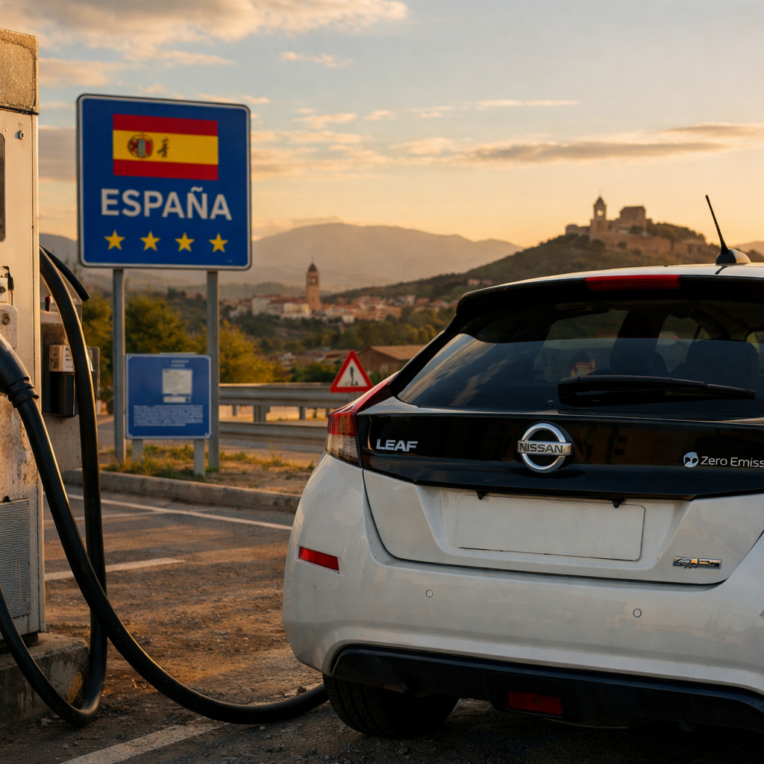
The drive to the south of Spain in a Nissan Leaf wasn’t memorable because it was difficult.
It was memorable because, despite the constraints, it was calm.
Things went wrong. Chargers were unavailable. Others were damaged. Some worked, but not as expected. Plans changed repeatedly. None of that created urgency, frustration, or stress.
The reason wasn’t resilience or determination. It was planning.
Planning isn’t about avoiding problems
There’s a common assumption that planning exists to prevent things from going wrong.
It doesn’t.
Good planning assumes that things will go wrong and focuses instead on what happens next. The goal isn’t to eliminate disruption. It’s to make disruption unsurprising.
On that trip, every part of the plan had an alternative. Not because the alternatives were likely, but because they were plausible. When the first option failed, there was no pause to work out what to do. The decision had already been made.
That’s what removed the stress.
The absence of urgency is the real win
Urgency is what turns small problems into big ones.
When you feel rushed, every delay feels personal. Every obstacle feels like a failure. Planning that removes urgency changes the emotional shape of the day.
On that journey, delays simply altered the pace. They didn’t derail the plan.
That’s the difference between reacting and continuing.
Continuity is built from small decisions
Nothing about that trip relied on a single point of success. Range wasn’t stretched to the limit. Time wasn’t scheduled too tightly. Alternatives weren’t theoretical.
Those small decisions compounded.
By the time something went wrong, the outcome was already acceptable. The day still worked. The destination was still reachable. The work still continued.
Continuity isn’t one big design choice. It’s the result of many small ones, made early.
The lesson transfers cleanly to work
The same thinking applies directly to working from anywhere.
Connectivity might fail. Power might drop. Environments might change. None of that needs to become urgent if the next step is already clear.
When continuity is designed in layers, you don’t fixate on what stopped working. You move to what works next.
That’s true whether you’re at home, travelling, or sitting somewhere unfamiliar.
Experience changes how risk feels
Once you’ve worked within tight constraints, easier conditions stop feeling fragile.
Better infrastructure doesn’t remove the need to plan. It simply gives you more margin. Experience teaches you how to use that margin wisely, rather than spending it all up front.
That’s why this journey feels straightforward. Not because nothing will go wrong, but because nothing unexpected needs to create pressure.
This is what I take forward
The most useful lesson from that trip wasn’t technical. It wasn’t about vehicles or charging networks.
It was this:
When change is expected, it stops being disruptive.
That idea underpins how I work today. It’s why working from anywhere feels normal rather than risky. And it’s why continuity remains the focus of this series.
What comes next
With the planning mindset in place, the next step is to look at how that thinking shapes the practical decisions I make before travelling.
Not the tools themselves, but how I decide what matters and what doesn’t.
That’s where preparation becomes concrete.